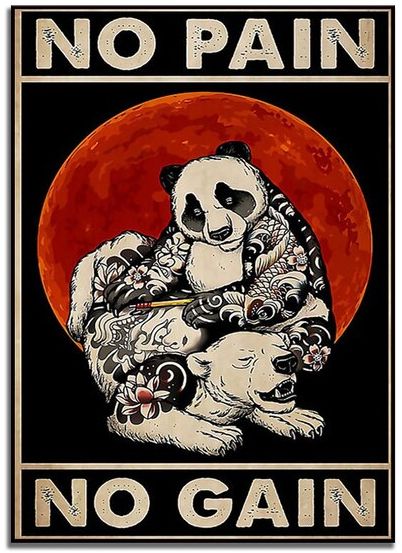
PAIN AND ANESTHESIA
Pain is an individual sensation – like any other. People experience love, happiness, sadness, and pain differently.
Some individuals have a higher pain tolerance, while others have a lower one. Certain body areas may be very painful for some, while others may barely feel anything.
Before their first tattoo, most people consult the Internet, type ‘tattoo pain level‘ or something similar into Google, and get a visual representation of how painful getting a tattoo is. They often consider this information as infallible truth because it’s on the Internet.
In everyday life, we all face situations that are equally painful or even more painful than getting a tattoo – going to the dentist, Brazilian waxing, childbirth, paying gas bills, and so on.
The human body can withstand quite high levels of pain without a person fainting. Of course, fainting is a normal response of the body to trauma, such as bone fractures or limb loss. Compared to that, getting a tattoo doesn’t seem so terrifying, does it?
At lower levels of pain (e.g., having blood drawn), people can also faint, but it has nothing to do with the physical sensation of pain but rather with the psychological impact. Some people simply can’t see a needle or a drop of blood and practically faint even before they come into contact with them. The mind plays a significant role in how we perceive the world around us, including our own feelings. If you are going to get a tattoo and panic about it all day, can’t eat due to anxiety, keep thinking you’ll surely pass out – then you can’t expect any different outcome.
It is true that some body positions are more painful for most people than others. But whether it will be the same for you, you won’t know until you try. Most people believe that positions where the bone is close to the skin (hands, elbows, ribs, head, etc.) are painful, but it also depends on the design of the tattoo. If it’s a small, linear tattoo that is done in 15 minutes, regardless of the body part, you will likely find it easy to endure. When working on large tattoos that last 6-7 hours, by the end of the session, you would probably be bothered even by someone touching your skin with a feather.
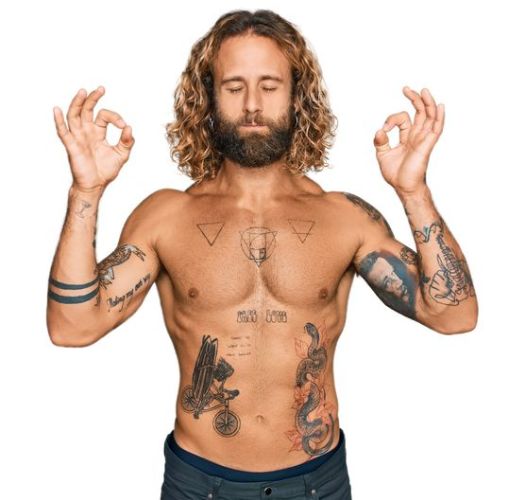
KEEP CALM & GET INKED
Stress and pain are the two most common triggers for the body to release endorphins. Endorphins are neurotransmitters (they transmit electrical impulses through the nervous system) that reduce the perception of pain in a way similar to the effect of morphine but without creating addiction. They can also lead to feelings of euphoria, affect appetite and the release of sex hormones in the body. Due to endorphins, we also endure fewer negative consequences of stress. The amount of endorphins in the body varies from person to person and depends on the trigger (the situation that causes the body to react by releasing endorphins). It is known that prolonged physical exercise promotes the release of endorphins, and also some foods, like chocolate or chili peppers.
Getting a tattoo is a matter of choice; no one is forcing you to do it. If you have already decided to get one, everything will be much faster if you ease the situation for both yourself and the tattoo artist and try to calm down. Moving during the tattooing process can result in wobbly lines. Try to concentrate on deep and slow breathing and consciously relax the muscles that automatically tense up when you feel pain.
Close your eyes & go to your happy place.
After surviving your first tattoo, we will surely see you for several more.

ANESTHETICS
To fully numb the entire area being tattooed, it would be necessary to apply local anesthesia with a needle. This procedure should only be performed by authorized medical personnel (anesthesiologists) who are ready to recognize and adequately respond to any signs of an allergic reaction to the anesthetic. Anesthetics in cream, gel, or spray work on the surface and will not completely eliminate the sensation of pain during a lengthy tattoo session. Most tattoo artists avoid using local anesthetics because they can alter the texture of the skin during their effect, which can result in lower tattoo quality (uneven lines, uneven color saturation). After the anesthetic wears off, the tattoo may bleed more than it should because the circulation of that tissue returns to normal. There could also be more severe swelling and a heightened sensitivity to pain since the body did not release endorphins during the actual tattooing process.
At Octopus, we do not use anesthetics.
If a client applies an anesthetic themselves before a tattoo appointment,
they bear full responsibility for any harmful consequences to their health
and/or the appearance of the tattoo.