


AFTERCARE
Octopus tattoo studio is not responsible for damages to the skin if you have not followed our instructions for caring for your skin after laser tattoo removal.
The laser breaks down tattoo ink pigments into microscopic particles that the body absorbs through the lymphatic system and eliminates from the body through bodily fluids. With each treatment, a new, deeper layer of ink is extracted, so it’s normal for the tattoo to appear darker after the initial treatments. The darker appearance of the tattoo is not a cause for concern.
The laser achieves the best results when there is a sharp contrast between the skin and the tattoo, i.e., when the skin is pale, and the tattoo is dark. After several laser sessions, the tattoo may fade to the point where the laser no longer recognizes it, and further treatments are ineffective. If complete removal is not achievable, a new tattoo can be created over the old one. The lighter the old tattoo, the more options there are for choosing a new design since very dark shades can be tattooed over black ink to adequately cover it.

SKIN CARE AFTER LASER TREATMENT
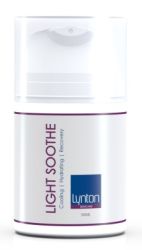
After the treatment, the Light Soothe serum is applied to the skin, specially designed for skin care after laser tattoo removal. It promotes tissue healing, soothes irritation and redness, moisturizes the skin, and has antibacterial properties. The burn is protected with Suprasorb foil – this is a transparent, breathable, and flexible polyurethane foil that creates a moist environment by exchanging gases and heat, which aids in the healing of the burn. Suprasorb protects the wound from the penetration of infectious agents from the outside and does not interfere with showering since excess moisture evaporates through the foil. If the tattoo is larger than the largest available Suprasorb patch, it is protected with sterile gauze.
Subsequent maintenance is almost identical to caring for the skin after tattooing. In the first ten days after the laser treatment, the skin should be cared for three times a day:
- WASH – The wound should be gently washed with liquid pH5.5 soap under a gentle stream of running water. Do not immerse the wound in water for at least the first two weeks after the treatment to avoid contact with microorganisms that can cause infection.
- DRY – For drying the burn, always use paper towels to prevent the transfer of bacteria from regular towels to the wound. After drying with a towel, wait 5-10 minutes before applying the ointment.
- APPLY – The wound (burn) that occurs after laser treatment is different from the wound that occurs after tattooing. For skin care after laser treatment, we recommend Light Soothe serum, which is specifically designed for burn healing. It should be applied in a thin, transparent layer. Applying the ointment too thickly can restrict airflow to the wound, slowing down the healing process and potentially causing inflammation.
- PROTECT – Like with tattooing, in the first few days, lymph and/or serous fluid may leak from the wound, and the appearance of blisters (blisters) and skin discoloration is possible. It is desirable that the wound is exposed to air as much as possible, without contact with fabric and contaminants (chemicals, dust, dirt, pet hair, etc.). When this is not possible (while you are outside or sleeping), the treated area should be protected with Suprasorb patches or sterile gauze. Be careful not to let the adhesive side of the patch come into contact with the wound. In case crusts form, i.e., if lymph or serous fluid adheres to the patch or gauze when removing the protection, we recommend rinsing the area with a gentle stream of lukewarm water when removing the protection.
Crusts do not present a problem as they do in tattooing when it comes to laser tattoo removal. The crust forms in the deeper layers of tissue and, when it falls off, it takes ink with it from the skin. Of course, you should not let the burn crust over completely, as it can impede healing.
We recommend frequent use of cold compresses on the laser-treated skin, especially in case of swelling, more pronounced redness, or a burning sensation. All of the above, along with the appearance of blisters and skin discoloration, is normal after a laser treatment.
At least eight weeks should pass between two laser treatments to allow the skin to heal deeply. If you spend time in the sun during this period, the treated area should be protected with an SPF50 or higher sunscreen to avoid additional sunburn. In the winter months, the skin is more dehydrated, so we recommend a 10-week period between treatments.
Skin lightening and tanning can occur up to six months after treatment.
If you plan to get a new tattoo over the old one that is being removed with a laser, you should wait at least six months after the last laser treatment.
If you have not noticed any lymph or serous fluid discharge after the laser treatment, and you do not have significant issues with the treated skin, this is also normal. However, it does not mean that the waiting period between two treatments can be shortened.
In case you are concerned about skin changes after the treatment, please contact us for an examination as soon as possible.
